Easy Crochet Dishcloth: Free Step-by-Step Beginner Pattern
A fresh, nubby cotton square sitting by the kitchen sink is one of the most reliable tools for cleaning up a quick dinner mess. This simple project relies on the moss stitch to create a dense, ridged fabric that scrubs stuck-on food from plates without scratching the surface. It is a satisfying task for anyone who enjoys working with their hands, whether you are a brand new maker or a seasoned crafter looking for a quick, functional gift. You will learn how to maintain even edges while mastering the rhythmic cycle of chains and single crochets that define this absorbent houseware essential.
Why You’ll Love This Pattern
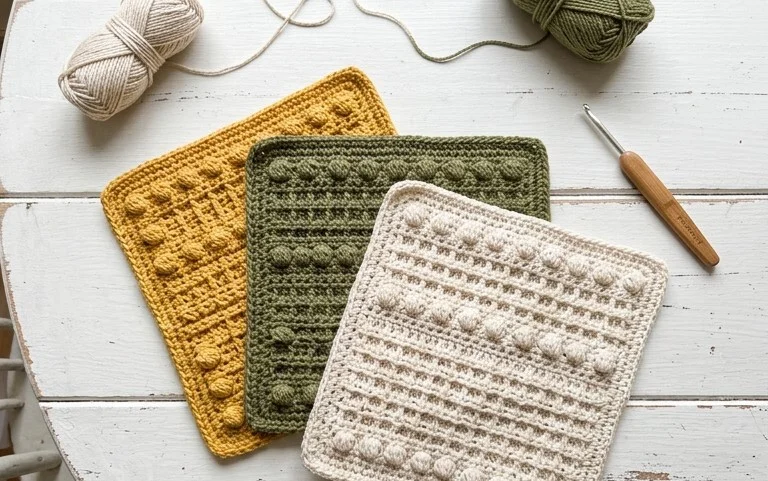
This classic crochet dishcloth works up quickly using simple, sturdy stitches that provide excellent scrubbing power for kitchen chores. The textured pattern relies on the moss stitch, which creates a dense yet flexible fabric that holds soap well and dries relatively fast. It is an ideal project for clearing out small amounts of cotton yarn from your stash because a single 100% cotton ball usually yields two full-sized cloths. New crocheters find this design approachable because it uses only basic chains and single crochets, providing a rhythmic experience that builds consistency in tension.
I finished this dishcloth in one evening while watching a show. The texture is much better for scrubbing pans than the store-bought ones I usually buy.
— Sarah, home crafter
Pattern Overview & Skill Level
- Skill Level: Beginner
- Approximate Time: 45 to 60 minutes
- Construction: Worked in rows starting from a foundation chain
- Finished Dimensions: 8 inches by 8 inches
Materials & Supplies Needed
- Yarn: Worsted #4 weight, 100% cotton, approximately 60 yards per dishcloth.
- Hook Size: 5.0 mm (H-8).
- Notions: Tapestry needle for weaving in ends, scissors, and an optional locking stitch marker to track the end of rows.
- Yarn Substitutions: Stick to 100% cotton or a cotton-linen blend. Avoid acrylic, as it does not absorb water and will not effectively clean dishes. Using a finer weight yarn will result in a smaller cloth unless you increase the starting chain count.
Stitch Guide & Abbreviations (US Terms)
- ch = chain
- sc = single crochet
- st/sts = stitch/stitches
- sk = skip
- sp = space
- turn = turn your work at the end of the row
Step-by-Step Pattern Instructions
The moss stitch (also known as the linen stitch) creates a beautiful woven appearance by placing stitches into the chain spaces of the previous row rather than directly into the stitches themselves.
- Foundation: Ch 32.
- Row 1: Sc in the 4th ch from the hook. *Ch 1, sk 1 ch, sc in the next ch. Repeat from * across until the end. Turn. (15 sc, 15 ch-1 sps).
- Row 2: Ch 2 (counts as first ch and skip), sc in the first ch-1 sp. *Ch 1, sk the sc, sc in the next ch-1 sp. Repeat from * across, ending with a sc in the space created by the turning chain of the previous row. Turn. (15 sc, 15 ch-1 sps).
- Rows 3–30: Repeat Row 2 until your work measures 8 inches square.
- Finishing: Fasten off, leaving a 6-inch tail. Weave the tail through the fabric using your tapestry needle to secure it. Trim any excess yarn flush with the cloth.
Care & Washing Instructions
- Machine wash in warm water on a gentle cycle to keep the fibers soft and clean.
- Lay the dishcloth flat on a towel to air dry to prevent stretching or warping the square shape.
- If the cloth becomes misshapen during use, soak it in warm water, wring it out gently, and pull it back into a square shape before drying.
Pro Tips & Common Mistakes to Avoid
- Tension Consistency: If your chain stitches are tighter than your single crochets, the edge of the dishcloth will pull inward. Use a hook half a size larger for the foundation chain only to ensure the base is not too tight.
- Counting Stitches: Use a stitch marker on the very first sc of the row. It helps identify where to place your last stitch on the following row, which is the most common place to accidentally drop a stitch.
- Weaving Ends: Pass your needle through the base of the stitches on the back side of the work in three different directions. This “locking” technique prevents the end from unraveling after repeated washing cycles.
- Adjusting Size: To make the cloth larger, start with an even number of chains. Adding two chains adds approximately half an inch to the width. Remember that increasing the size will require more than the recommended 60 yards of yarn.
Frequently Asked Questions
Can I use a different yarn weight for this pattern?
Yes, but you will need to adjust your starting chain count. If you use a lighter weight yarn, start with more chains to reach the desired width. If you use a heavier yarn, start with fewer chains.
Is this pattern suitable for complete beginners?
This is a great first project. It focuses on the two most basic crochet movements, chain and single crochet, which builds the muscle memory needed for more complex projects later.
Why does my dishcloth have a slanted edge?
Slanting usually happens if you are missing the last stitch of the row or adding extra stitches. Always count your single crochets at the end of each row to ensure you have exactly 15 sc stitches.
May I sell the dishcloths I make from this pattern?
You are welcome to sell physical items made from this pattern. Please credit the design back to this tutorial if you choose to list them online.
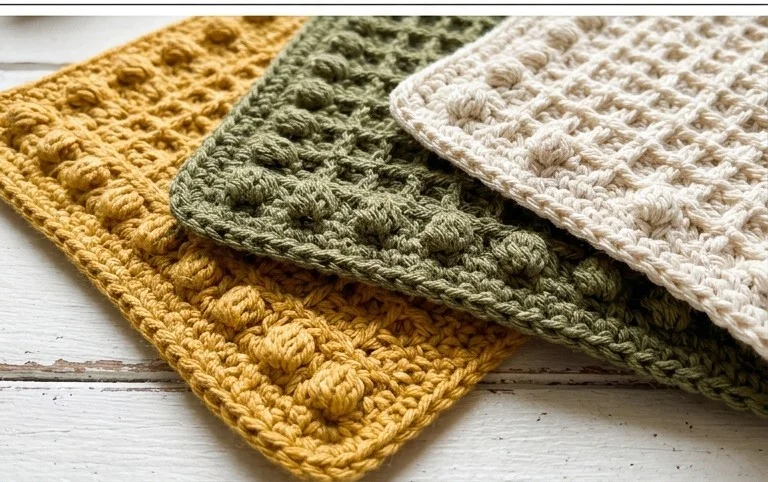
These sturdy cloths handle a lot of wear in the kitchen and keep your counters clean for a long time. You might change the look by using a variegated cotton yarn for a striped effect or adding a decorative scalloped border around the perimeter for a polished touch. If you decide to crochet a stack of these, please post a photo of your work on Instagram so I can see which colors you chose. Feel free to browse my archive of other simple household projects to find your next afternoon craft session.